


The abrasive disc is one of the fundamental tools of modern abrasive technology, playing a pivotal role in surface preparation, material processing and finishing operations. 3M abrasive discs are particularly popular amongst industrial and professional users, as the brand’s innovative technologies, reliability and durability deliver outstanding performance. In this article, we examine in detail what a 3M abrasive disc is, what types are available, how to select the right variant, and how to use it effectively with a sander.
What is a 3M Abrasive Disc?
An abrasive disc is a circular abrasive product used for machining various surfaces. 3M abrasive discs are constructed from specialised abrasive grains, a bonding agent and a backing layer, which together ensure efficient and uniform material removal. Thanks to 3M’s proprietary developments, these products frequently offer longer service life and superior performance compared to standard abrasive materials.
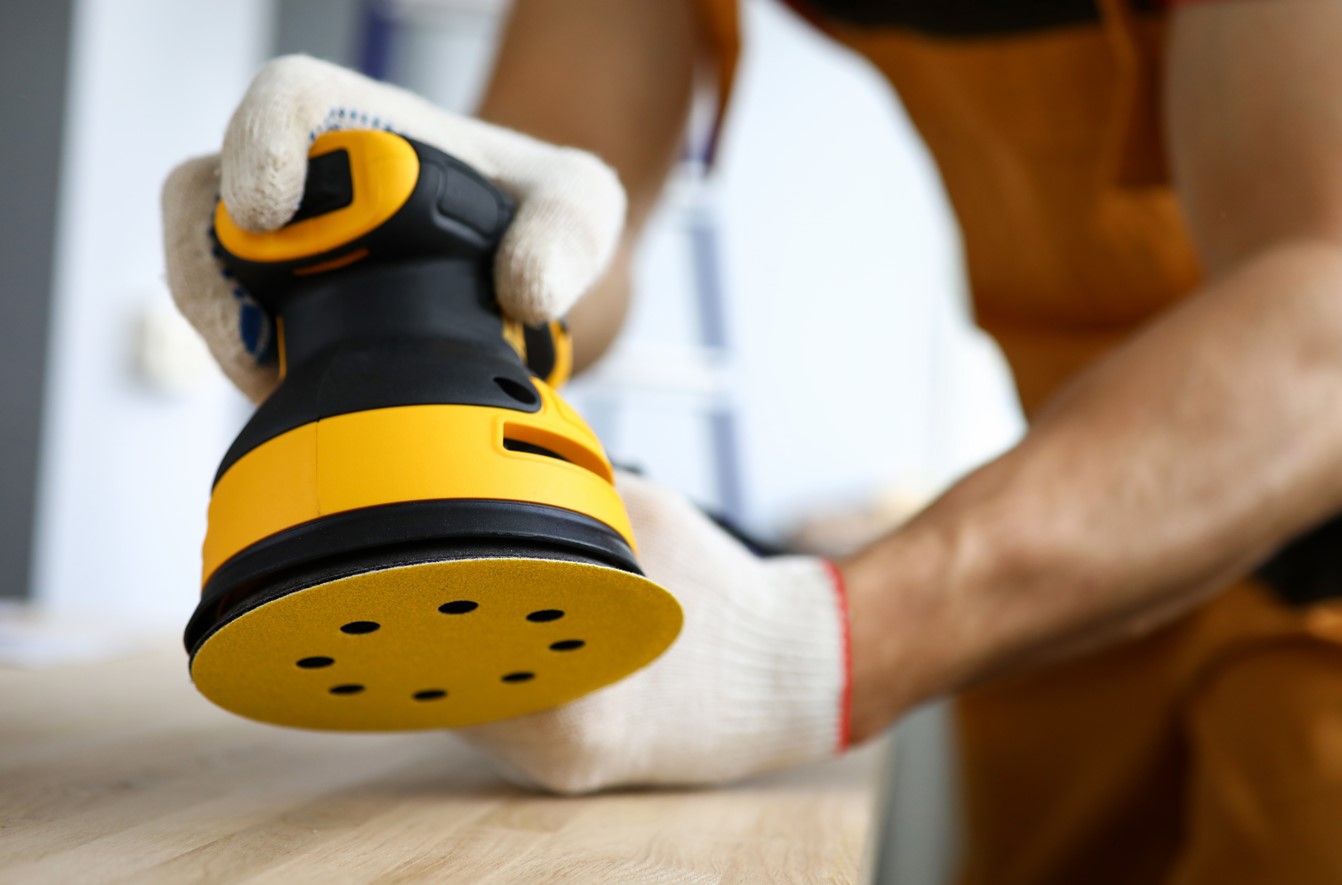
Abrasive discs are most used with random orbital sanders, angle grinders or other industrial grinding machines. Their range of application is exceptionally broad, spanning metalworking, the automotive industry and woodworking alike.
Main types of Abrasive Discs
Selecting the right abrasive disc depends on a number of considerations. One of the most important classification criteria is the type of material to be worked. For metals, for instance, discs with harder, more durable grains are required, whereas for wood or plastics, a finer, less aggressive abrasive is the ideal choice.
Grit size is equally critical. Coarse-grit abrasive discs (for example P40–P80) are suited to rapid material removal, such as stripping rust or paint. Medium grit (P100–P220) is suitable for general sanding tasks, whilst fine grit (above P240) is ideal for surface finishing and preparation prior to polishing.
The size and design of the disc are also determining factors. Abrasive discs with a diameter of 125 mm or 150 mm are the most widely used, particularly for random orbital sanders. The hole pattern – for example a multi-hole or 15–17 hole configuration – affects the efficiency of dust extraction, which not only contributes to a cleaner working environment but also extends the service life of the abrasive disc.
How to choose the right Abrasive Disc
Choosing the right abrasive disc always depends on the specific task at hand. When carrying out automotive bodywork repairs, for instance, achieving a precise, uniform surface is essential, requiring a multi-stage sanding process using progressively finer grits. For heavy-duty cleaning of metal surfaces, a more aggressive, high-performance disc is the appropriate choice.
In woodworking applications, the objective is generally to achieve a smooth, aesthetically pleasing surface, so finer grit and a consistent scratch pattern are paramount. For plastics or composite materials, minimising heat build-up is particularly important, and a specially designed abrasive disc is therefore recommended.
3M Abrasive Discs in the Flanker range
Flanker has over 20 years of experience providing professional solutions in the field of abrasive technology, particularly with regard to 3M products. Below, we highlight three outstanding abrasive discs from our range.
The 3M™ 316U Red Hookit Abrasive Disc is a reliable, versatile solution for general sanding tasks. The P60 grit makes it ideal for more demanding work, such as paint stripping or surface preparation. The 150 mm diameter and 15-hole pattern ensure effective dust extraction.
The 3M™ Cubitron™ II 737U Multi-Hole Hookit Abrasive Disc represents the premium tier. Thanks to 3M’s precision-shaped grain technology, it delivers faster cut rates and longer service life. It is particularly recommended for industrial applications where efficiency and durability are critical. The multi-hole design enables excellent dust extraction.
The 3M™ Hookit™ 255P Abrasive Disc is designed for finer work, such as surface finishing or pre-lacquer preparation. The P400 grit ensures precise and uniform sanding whilst minimising the occurrence of surface defects.
Key application areas for Abrasive Discs
Abrasive discs are found across virtually every industry where surface machining is required. In the automotive sector, they are used for bodywork repair, pre-paint preparation and polishing. In metalworking, they serve to remove weld seams and smooth surfaces.
In woodworking, abrasive discs assist in achieving smooth, aesthetically pleasing surfaces, whether for furniture or bespoke timber components. In the electronics manufacturing industry, they are employed for precision sanding operations where accuracy and consistency are indispensable.
How to use Abrasive Discs correctly
Effective use of an abrasive disc depends not only on selecting the right product, but also on correct technique. As a first step, it is important to ensure that the abrasive disc is compatible with the sander being used. The Hookit system, for example, provides hook-and-loop attachment, enabling quick and straightforward disc changes.
During use, it is advisable to apply consistent pressure and avoid excessive force, as this can reduce the service life of the abrasive disc and compromise surface quality. Proper dust extraction is equally important, as it not only provides a cleaner working environment but also improves sanding efficiency.
It is also important to work progressively: begin with a coarser grit and advance step by step towards finer discs. This approach guarantees the optimal end result and a professional surface finish.
3M abrasive discs are defining tools of modern abrasive technology, offering reliable and efficient solutions for a wide range of industrial and trade applications. The choice of the right type – whether in terms of grit size, disc diameter or application area – fundamentally influences the quality and efficiency of the work.
The 3M abrasive discs available in the Flanker range guarantee high standards and long-term reliability, making them the ideal choice for anyone seeking professional abrasive products.
FAQ
What are the main factors to consider when choosing a 3M abrasive disc?
When selecting the right 3M abrasive disc, one must consider the material to be worked (metal, wood, plastic, composite), the grit size (coarse, medium, fine), the disc diameter (e.g. 125 mm, 150 mm), and the hole pattern, which affects dust extraction efficiency.
In which application areas should a 3M abrasive disc be used?
3M abrasive discs are primarily used in the automotive industry (bodywork repair, pre-paint preparation), the metalworking industry (weld seam removal, surface smoothing), the woodworking industry (fine sanding of furniture and bespoke timber components), and in other industries where precise and uniform surface machining is required.
What grit size ranges are available for 3M abrasive discs, and which grit is recommended for which task?
Coarse grit (P40–P80) is recommended for rapid material removal, such as rust or paint stripping; the medium range (P100–P220) for general sanding tasks; and fine grit (above P240) for surface finishing and preparation prior to polishing.
Why is the hole pattern of a 3M abrasive disc important?
The hole pattern – for example a multi-hole or 15–17 hole configuration – affects dust extraction efficiency, resulting in a cleaner working environment, better sanding performance and a longer abrasive disc service life.
What are the key usage tips for 3M abrasive discs?
It is important to verify compatibility between the abrasive disc and the sander, apply consistent pressure and avoid excessive force during sanding, ensure effective dust extraction, and work progressively from coarser to finer grit in order to achieve a professional surface finish.


