


In modern industrial bonding technology, polyurethane-based adhesives play a key role, as they simultaneously provide strong bonding, flexibility, and long-term durability. 3M polyurethane adhesive products are particularly popular in the automotive industry, electronics, packaging technology, and general industrial assembly work, as they deliver reliable performance even under heavy demands.
What is Polyurethane Adhesive?
Polyurethane adhesive is a modern bonding agent containing polyurethane-based polymers. Its most important property is that, once cured, it remains both strong and flexible, allowing it to withstand vibration, thermal expansion, and weather effects. This makes polyurethane adhesives excellently suited to surfaces where conventional rigid adhesives would eventually crack or lose their grip.
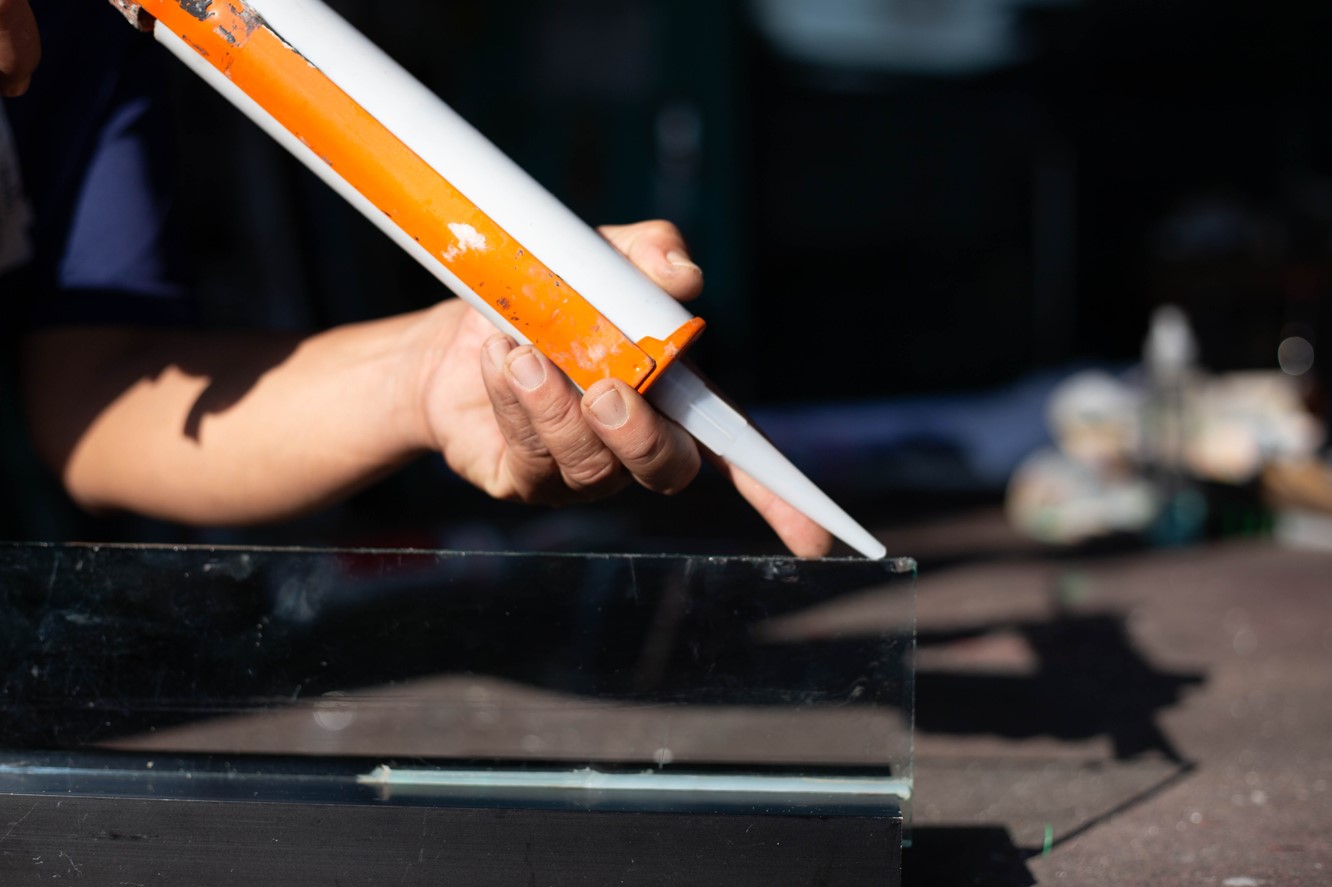
3M polyurethane adhesive solutions can be used on metal, plastic, glass, wood, and various composite materials. A particularly important advantage for industrial use is their resistance to moisture, numerous chemicals, and UV radiation. This is why they're often found securing vehicle bodywork, structural components, panelling, or electronic parts.
Key properties of 3M Polyurethane Adhesives
One of the biggest advantages of polyurethane adhesives is the combination of high bond strength and lasting flexibility. In many industrial applications, a strong bond alone isn't enough, because structures are subjected to vibration, dynamic loads, or temperature changes. Polyurethane-based structural adhesives can accommodate this movement without the bond being damaged.
Polyurethane adhesives also fill gaps well, so they deliver reliable results on uneven surfaces or when joining different materials together. In many cases, they also function as sealants, providing both bonding and sealing simultaneously. This is particularly advantageous in the automotive industry and for outdoor applications.
A further advantage of 3M products is their ease of processing. One-component versions are quick and simple to use, whilst two-component systems provide greater mechanical strength for tasks where high load-bearing capacity is essential.
One-component Polyurethane Adhesives
One-component polyurethane adhesives cure through exposure to atmospheric moisture. They're simple to use, as there's no need for mixing or special preparation. These products are particularly suited to sealing, gap-filling, and general industrial bonding tasks.
The 3M 540 polyurethane adhesive sealant, white, 310 ml, available from Flanker, is a versatile one-component solution that provides excellent adhesion on a variety of industrial surfaces. The product creates a flexible bond, making it ideal for structures subject to vibration, such as automotive components, panels, or cladding. It's also effective as a sealant, protecting against moisture and dust.
One-component 3M adhesive can be an ideal choice for jobs where speed of execution and ease of application matter. It's commonly used for bodywork components, ventilation systems, containers, or general industrial assembly tasks.
Two-component Polyurethane Adhesives
Two-component polyurethane adhesives consist of a resin and a hardener, which must be mixed together before use. These structural adhesives generally offer greater mechanical resistance and faster curing, which is why they're used in industrial applications subject to heavy loads.
The 3M Scotch-Weld 604NS polyurethane adhesive, black, 485 ml, is a professional two-component structural adhesive specifically developed to create exceptionally strong and durable bonds. It's particularly well-suited to bonding composite materials, plastics, and metals. The advantage of this type of 3M polyurethane adhesive is that it provides high impact resistance and excellent structural stability, which is why it's frequently used in automotive or electronics manufacturing processes.
Two-component systems are recommended when the bonded surface will be subject to significant mechanical loads, or when a fast, exceptionally strong bond is the primary requirement.
How to use Polyurethane Adhesive correctly
For proper adhesion, surfaces must always be cleaned before bonding. Dust, grease, or moisture can reduce the strength of the bond, so preparing the surface to be bonded is crucial. In many cases, lightly roughening the surface is also recommended, particularly for metal or plastic components.
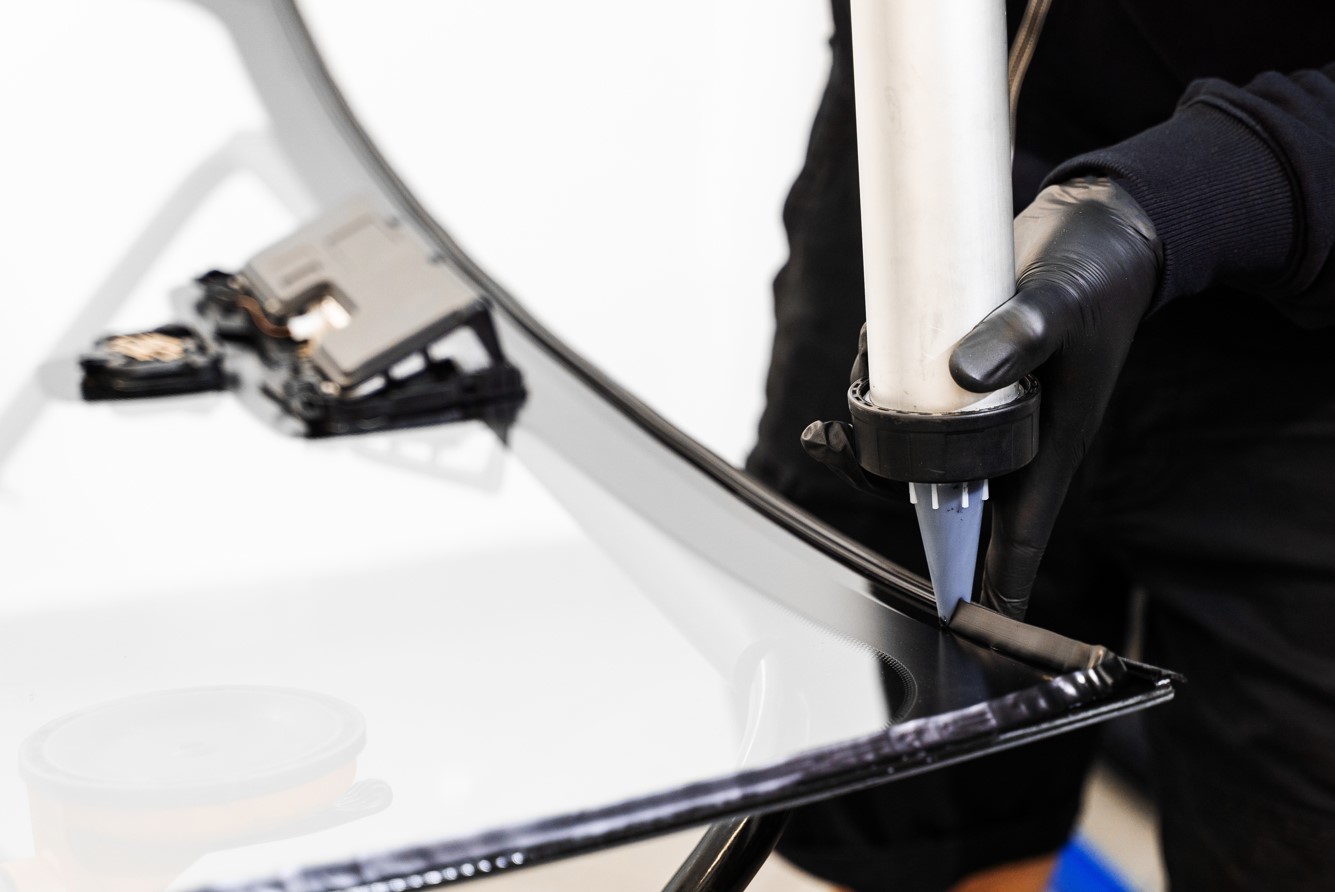
One-component polyurethane adhesives can generally be applied directly using an applicator gun. Curing time depends on humidity and temperature. For two-component systems, maintaining the correct mixing ratio is important, as this determines the final mechanical properties.
It's advisable to secure bonded components in place during curing to ensure proper fit. Total curing time can vary depending on the product and environmental conditions, so it's always worth following the manufacturer's instructions.
3M polyurethane adhesive products offer a reliable, long-term solution for industrial bonding and sealing tasks. One-component versions provide quick and easy use, whilst two-component structural adhesives deliver outstanding mechanical performance. The 3M products available from Flanker represent professional quality, making them an ideal choice for players in the printing and paper industry, packaging technology, and the automotive and electronics sectors.
FAQ
What is 3M polyurethane adhesive?
3M polyurethane adhesive is a high-performance industrial adhesive that provides a strong, flexible bond between various materials, such as metals, plastics, glass, and composites.
What are the advantages of 3M polyurethane adhesives?
3M polyurethane adhesives offer high bond strength, excellent flexibility, and long-term durability. They're also resistant to moisture, vibration, and numerous environmental factors, making them ideal for industrial applications.
What's the difference between one-component and two-component polyurethane adhesive?
One-component polyurethane adhesive cures through exposure to atmospheric moisture, whilst the two-component version consists of a resin and a hardener which, once mixed, create a fast, exceptionally strong structural bond.
What surfaces can be bonded with polyurethane adhesive?
Polyurethane adhesives bond excellently to metal, plastic, wood, glass, concrete, and numerous composite materials, making them widely usable in industrial and manufacturing settings.
How can the proper adhesion of polyurethane adhesive be ensured?
For proper adhesion, the surface to be bonded must be clean and free of dust and grease. If needed, lightly roughening the surface can further improve the strength and durability of the bond.


