


The sander is one of the fundamental tools of modern industrial and craft work, indispensable for preparing, cleaning and finishing a wide variety of surfaces. The 3M sander category is particularly popular amongst professionals, as 3M’s decades of experience guarantee reliability, precision and efficient operation. In this article, we explain what a 3M sander is, what types are available, and which tool is best suited to which task.
What is a 3M Sander?
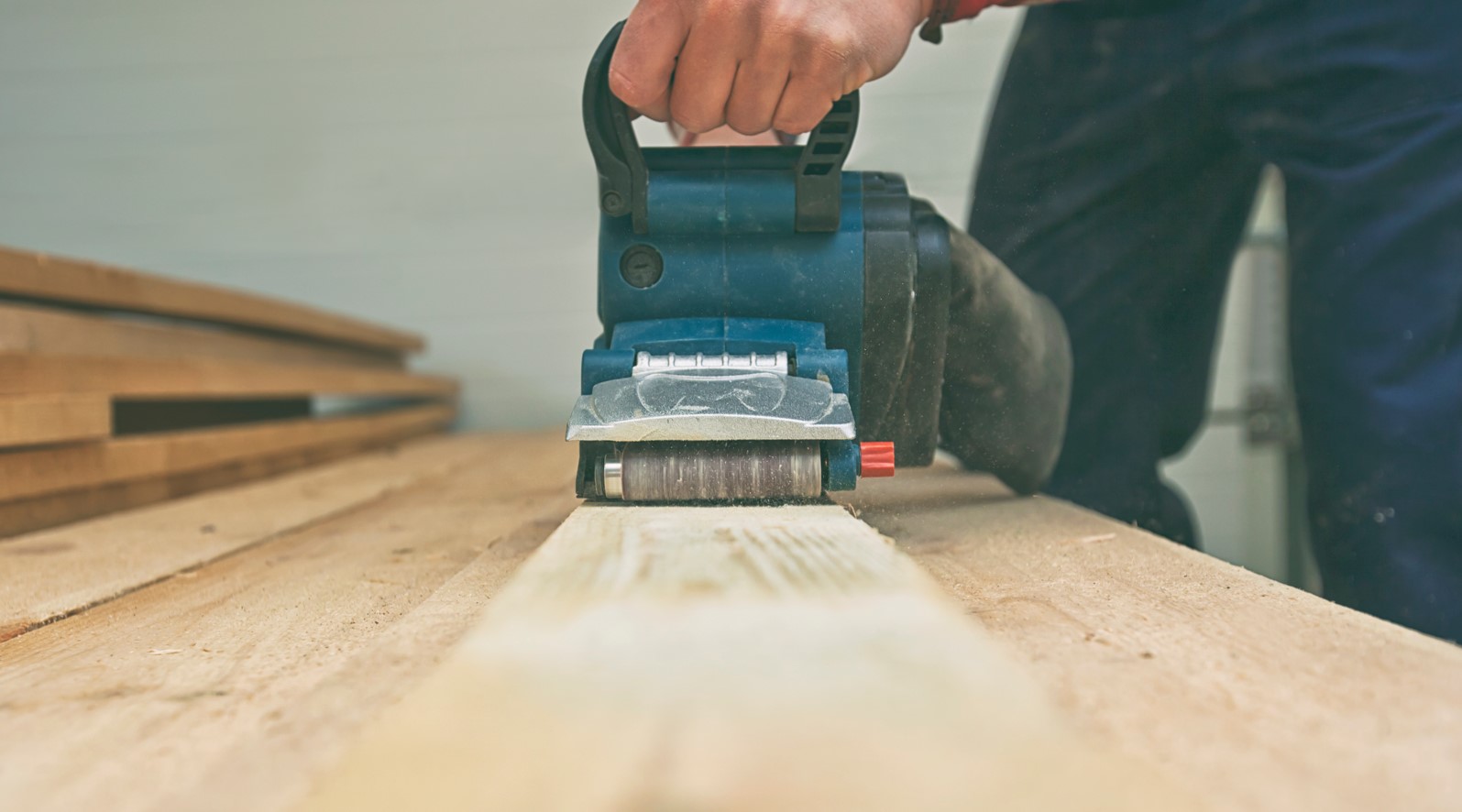
A 3M sander is a professional power tool developed for machining a variety of surfaces – such as wood, metal, plastic or painted layers. The purpose of sanders is to remove irregularities, smooth the surface, or prepare it for subsequent operations such as painting or bonding.
3M products stand out in the market for their durability, ergonomics and precision performance. These tools not only make work more efficient, but also deliver a higher quality end result.
Why Are Different Types of Sander Needed?
Not all sanding tasks are the same. Machining a large, flat surface requires a completely different tool from finishing a workpiece full of corners and curves. This is why different types of sander have evolved, each with a distinct motion pattern and design.
Selecting the right sander significantly affects the speed, efficiency and quality of the work. A poorly chosen tool not only slows the process but can also damage the surface.
The Most Important Sander Types and Their Characteristics
Sanders are available in a variety of configurations, the most common of which are described below.
Belt Sander
The belt sander uses a continuously moving abrasive belt, suited to rapid material removal from large surfaces. This type is ideal for heavy-duty sanding tasks such as preparing wood surfaces or stripping thick layers of paint.
The 3M Belt Sander (330 mm) available in the Flanker range is an excellent choice for industrial use. Thanks to its powerful performance, it delivers fast and uniform sanding, particularly on larger workpieces.
Orbital Sander
The orbital sander performs a rapid vibratory motion with small amplitude. This type is ideal for fine sanding tasks such as smoothing prior to painting. It works most effectively on flat surfaces and is less aggressive than the belt sander.
Random Orbital Sander
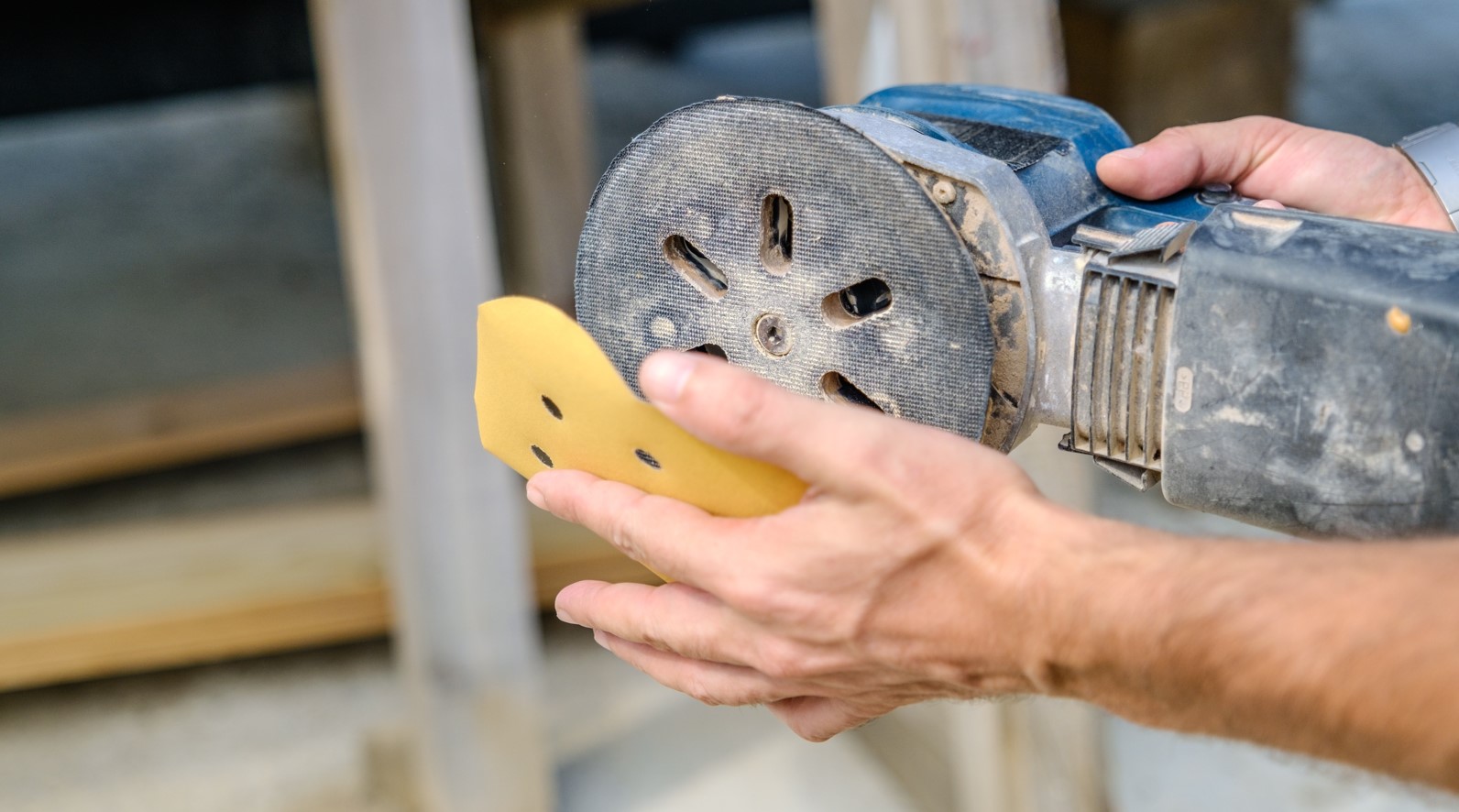
The random orbital sander combines circular and eccentric motion, providing both efficient material removal and a fine surface finish simultaneously. It is one of the most versatile sander types available.
A 3M Elite Series Pneumatic Random Orbital Sander is designed specifically for precision work. It is ideal for automotive applications, such as preparation for painting, where a flawless surface is critical.
Multi-Sander
The multi-sander combines several functions, making it usable on various surfaces and shapes. Its compact design makes it effective even in hard-to-reach areas.
Delta Sander
The delta sander has a triangular sanding pad that enables precise machining of corners and edges. It is particularly useful when sanding furniture, window frames or decorative elements.
Specialist Solutions: Roloc System
For smaller, precision tasks, the 3M Roloc system is an excellent choice. The 3M Pistol Grip Roloc Disc Sander is a compact and easy-to-handle tool, ideal for working in confined spaces. Its high rotational speed enables fast and precise sanding, particularly on metal surfaces or smaller components.
Key Application Areas for Sanders
Sanders are applicable across a wide range of industries. In the automotive industry, for example, they are indispensable during bodywork repair, where surface preparation is critical prior to painting. In the electronics manufacturing industry, precision sanding is required to ensure the perfect fit of components.
In the printing and paper industry, they are used for the maintenance of roller and other component surfaces, whilst in the packaging industry they play a role in the fine-tuning of manufacturing equipment. In the woodworking industry they are indispensable for the surface treatment of furniture and other products.
Using a Sander – Core Principles
Correct technique is essential when using a sander. Always select the appropriate abrasive and grit size for the task. A coarser grit is recommended for heavy-duty work, whilst a finer grit is required for delicate surfaces.
The tool should be moved uniformly across the surface, avoiding excessive pressure, which can cause unevenness. The use of appropriate personal protective equipment – such as a dust mask and eye protection – is equally essential.
The ergonomic design of modern 3M sanders facilitates comfortable operation over extended periods, whilst reducing the strain caused by vibration.
Why Choose a 3M Sander?
One of the greatest advantages of 3M sanders is their reliability and precision performance. The brand’s innovative solutions enable faster and more efficient work, whilst also delivering a higher quality end result.
The Flanker has over 20 years of experience providing complex solutions for industrial operators, offering expert support in selecting the right abrasive tools. The 3M products in their range guarantee professional-grade operation, whether for automotive, packaging or electronics manufacturing applications.
A 3M sander is not merely a simple tool, but a professional instrument that contributes significantly to the efficiency and quality of work processes. The various types – such as the belt sander, orbital sander, random orbital sander, multi-sander or delta sander – ensure that the most appropriate solution can be selected for every task.
Whether the task involves rapid machining of large surfaces or precise fine sanding, 3M sanders are reliable companions in everyday professional work. By selecting the right tool, not only can time be saved, but the quality of the end result can also be significantly improved.
FAQ
What is a 3M Sander?
A 3M sander is a professional power tool used for smoothing, cleaning and preparing various surfaces – such as wood, metal or plastic.
Why are there multiple types of 3M sander?
Because different tasks require different motion patterns and configurations: for example, large surfaces require a belt sander, whilst precision work calls for a random orbital or delta sander.
What is each type of 3M sander used for?
The belt sander is for heavy-duty work, the orbital sander for fine smoothing, the random orbital sander for general-purpose use, the delta sander for corners and edges, and the multi-sander is suited to a variety of tasks.
Where are 3M sanders most commonly used?
In the automotive industry, woodworking, electronics manufacturing and packaging industry, primarily for surface preparation and finishing operations.
What should be observed when using a 3M sander?
It is important to select the correct grit size, maintain a uniform motion, avoid excessive pressure, and always use appropriate personal protective equipment.


